Featured

Table of Contents
In his four years as President, President Trump did not sign into law a single piece of legislation that reduced deficits, and just signed one bill that meaningfully minimized spending (by about 0.4 percent). On net, President Trump increased costs rather considerably by about 3 percent, leaving out one-time COVID relief.
During President Trump's term in workplace, federal financial obligation held by the public grew by $7.2 trillion from $14.4 to $21.6 trillion., President Trump's last budget proposal introduced in February of 2020 would have enabled debt to increase in each of the subsequent 10 years, from $17.9 trillion at the end of FY 2020 to $23.9 trillion by the end of FY 2030.
*****Throughout the 2024 presidential election cycle, US Budget plan Watch 2024 will bring information and accountability to the campaign by examining candidates' proposals, fact-checking their claims, and scoring the fiscal cost of their programs. By injecting an impartial, fact-based approach into the nationwide discussion, US Budget Watch 2024 will assist voters better comprehend the subtleties of the prospects' policy propositions and what they would indicate for the country's financial and financial future.
Steps to Obtain Low Interest Loans in 2026
1 Throughout the 2016 campaign, we kept in mind that "no possible set of policies could pay off the debt in 8 years." With an additional $13.3 trillion included to the financial obligation in the interim, this is a lot more true today.
Credit card debt is among the most typical financial stresses in the U.S.A.. Interest grows quietly. Minimum payments feel workable. Then one day the balance feels stuck. A clever strategy changes that story. It offers you structure, momentum, and emotional clarity. In 2026, with higher loaning expenses and tighter home spending plans, method matters especially.
We'll compare the snowball vs avalanche technique, discuss the psychology behind success, and explore options if you need extra assistance. Absolutely nothing here assures instant outcomes. This has to do with constant, repeatable progress. Charge card charge a few of the highest consumer interest rates. When balances remain, interest eats a large portion of each payment.
It provides direction and quantifiable wins. The objective is not just to eliminate balances. The genuine win is building routines that prevent future debt cycles. Start with complete presence. List every card: Present balance Interest rate Minimum payment Due date Put everything in one file. A spreadsheet works fine. This step eliminates uncertainty.
Lots of people feel instant relief once they see the numbers clearly. Clearness is the foundation of every reliable charge card debt payoff strategy. You can stagnate forward if balances keep expanding. Pause non-essential charge card costs. This does not indicate extreme limitation. It indicates intentional options. Practical actions: Usage debit or money for day-to-day costs Eliminate kept cards from apps Hold-up impulse purchases This separates old financial obligation from current habits.
Reviewing Top-Rated Credit Plans for 2026
This cushion safeguards your benefit strategy when life gets unforeseeable. This is where your financial obligation technique U.S.A. technique becomes concentrated.
As soon as that card is gone, you roll the released payment into the next smallest balance. Quick wins build self-confidence Progress feels visible Motivation increases The psychological increase is powerful. Lots of people stick with the strategy because they experience success early. This approach prefers behavior over mathematics. The avalanche approach targets the highest rates of interest first.

Additional cash attacks the most pricey financial obligation. Decreases overall interest paid Speeds up long-term reward Takes full advantage of effectiveness This technique appeals to individuals who focus on numbers and optimization. Select snowball if you need emotional momentum.
A technique you follow beats an approach you desert. Missed payments develop charges and credit damage. Set automated payments for every card's minimum due. Automation safeguards your credit while you concentrate on your picked reward target. Then manually send extra payments to your top priority balance. This system minimizes tension and human mistake.
Try to find sensible changes: Cancel unused subscriptions Lower impulse spending Prepare more meals at home Offer products you don't use You do not require extreme sacrifice. The goal is sustainable redirection. Even modest additional payments substance with time. Cost cuts have limitations. Income development expands possibilities. Think about: Freelance gigs Overtime shifts Skill-based side work Selling digital or physical goods Deal with extra earnings as financial obligation fuel.
Finding True Financial Freedom Through Smart Planning
Believe of this as a short-lived sprint, not a permanent way of life. Financial obligation payoff is psychological as much as mathematical. Many strategies fail because inspiration fades. Smart psychological strategies keep you engaged. Update balances monthly. Watching numbers drop reinforces effort. Settled a card? Acknowledge it. Small rewards sustain momentum. Automation and regimens decrease choice fatigue.
Behavioral consistency drives effective credit card financial obligation payoff more than best budgeting. Call your credit card company and ask about: Rate reductions Challenge programs Promotional offers Many lenders prefer working with proactive clients. Lower interest means more of each payment strikes the primary balance.
Ask yourself: Did balances shrink? A versatile strategy survives genuine life better than a stiff one. Move debt to a low or 0% introduction interest card.
Integrate balances into one set payment. This streamlines management and may reduce interest. Approval depends on credit profile. Not-for-profit agencies structure repayment plans with loan providers. They offer responsibility and education. Negotiates reduced balances. This carries credit effects and fees. It matches severe challenge situations. A legal reset for frustrating debt.
A strong debt technique USA homes can depend on blends structure, psychology, and adaptability. You: Gain complete clearness Prevent new debt Select a tested system Protect versus problems Preserve motivation Adjust strategically This layered technique addresses both numbers and habits. That balance develops sustainable success. Financial obligation benefit is hardly ever about severe sacrifice.
Ways to Secure Low Interest Loans in 2026
Paying off credit card debt in 2026 does not require perfection. It needs a clever plan and constant action. Each payment decreases pressure.
The most intelligent move is not waiting on the ideal minute. It's starting now and continuing tomorrow.
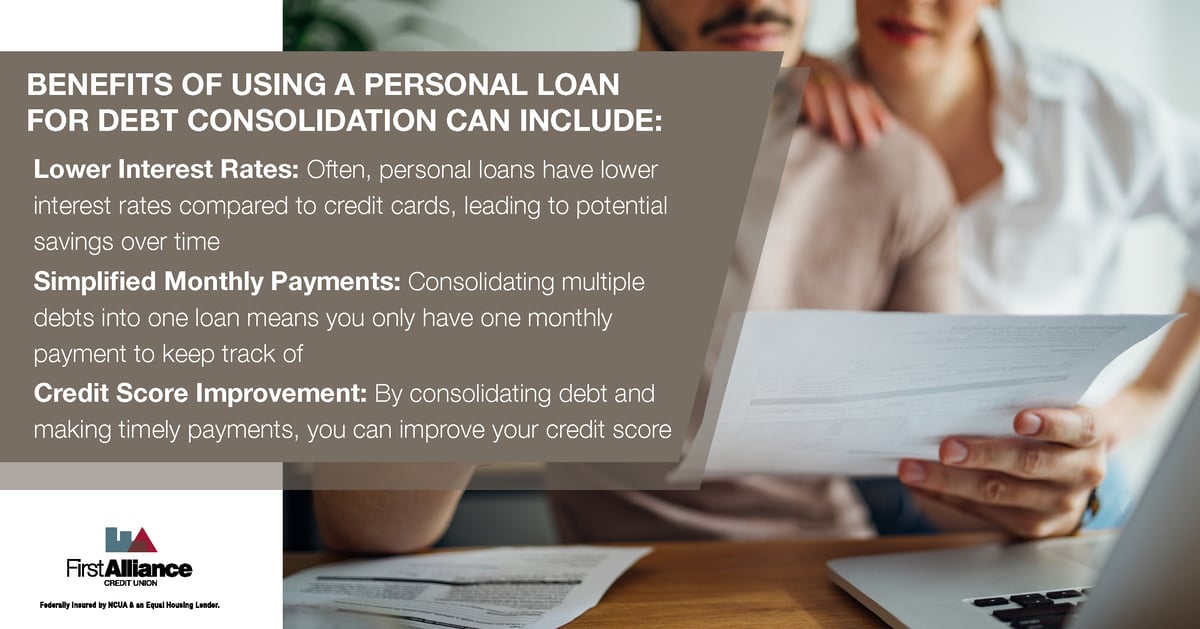
Debt debt consolidation integrates high-interest charge card bills into a single month-to-month payment at a decreased rates of interest. Paying less interest saves cash and permits you to settle the debt quicker.Debt debt consolidation is readily available with or without a loan. It is an effective, affordable way to handle charge card financial obligation, either through a debt management strategy, a financial obligation combination loan or debt settlement program.

Latest Posts

Analysing Proven Debt Programs for 2026
Finding Best-Rate Financing and Managing Total Debt
How Nonprofit Credit Counseling Helps Now