Featured


Managing High Interest Store Card Debt for 2026
Table of Contents
A technique you follow beats an approach you desert. Missed payments develop charges and credit damage. Set automatic payments for every single card's minimum due. Automation protects your credit while you focus on your picked benefit target. Then by hand send out extra payments to your top priority balance. This system lowers tension and human error.
Look for realistic adjustments: Cancel unused subscriptions Reduce impulse costs Cook more meals at home Offer products you do not use You do not require severe sacrifice. The objective is sustainable redirection. Even modest additional payments substance over time. Expenditure cuts have limitations. Earnings development expands possibilities. Consider: Freelance gigs Overtime shifts Skill-based side work Offering digital or physical items Deal with additional earnings as financial obligation fuel.
Think of this as a temporary sprint, not a permanent way of life. Debt benefit is emotional as much as mathematical. Numerous strategies fail because inspiration fades. Smart psychological methods keep you engaged. Update balances monthly. Enjoying numbers drop reinforces effort. Settled a card? Acknowledge it. Small rewards sustain momentum. Automation and routines reduce choice tiredness.
Leveraging Online Loan Calculators for 2026
Behavioral consistency drives successful credit card debt benefit more than perfect budgeting. Call your credit card provider and ask about: Rate decreases Challenge programs Advertising offers Numerous lending institutions prefer working with proactive customers. Lower interest suggests more of each payment strikes the primary balance.
Ask yourself: Did balances diminish? A versatile plan makes it through real life better than a rigid one. Move debt to a low or 0% intro interest card.
Combine balances into one fixed payment. Works out decreased balances. A legal reset for overwhelming financial obligation.
A strong debt technique USA households can rely on blends structure, psychology, and versatility. Debt benefit is hardly ever about severe sacrifice.
Strategic Financial Counseling for 2026
Paying off charge card debt in 2026 does not need perfection. It needs a wise plan and consistent action. Snowball or avalanche both work when you dedicate. Psychological momentum matters as much as math. Start with clarity. Construct defense. Pick your method. Track development. Stay patient. Each payment minimizes pressure.
The most intelligent relocation is not awaiting the best minute. It's starting now and continuing tomorrow.
It is difficult to know the future, this claim is.
Over 4 years, even would not be adequate to pay off the financial obligation, nor would doubling earnings collection. Over ten years, settling the debt would require cutting all federal costs by about or improving income by two-thirds. Presuming Social Security, Medicare, and defense spending are exempt from cuts consistent with President Trump's rhetoric even getting rid of all staying spending would not pay off the debt without trillions of extra incomes.
Smartest Methods to Eliminate Balances for 2026
Through the election, we will release policy explainers, truth checks, budget scores, and other analyses. At the beginning of the next presidential term, financial obligation held by the public is most likely to total around $28.5 trillion.
To attain this, policymakers would require to turn $1.7 trillion typical yearly deficits into $7.1 trillion yearly surpluses. Over the ten-year budget window starting in the next governmental term, spanning from FY 2026 through FY 2035, policymakers would need to achieve $51 trillion of budget and interest savings enough to cover the $28.5 trillion of initial debt and prevent $22.5 trillion in debt accumulation.
It would be actually to settle the financial obligation by the end of the next presidential term without large accompanying tax boosts, and most likely difficult with them. While the needed cost savings would equal $35.5 trillion, total costs is predicted to be $29 trillion over that four-year duration of which $4 trillion is interest and can not be cut straight.

Evaluating Proven Credit Programs for 2026
(Even under a that assumes much faster financial development and significant new tariff profits, cuts would be nearly as big). It is also most likely difficult to attain these cost savings on the tax side. With total income anticipated to come in at $22 trillion over the next governmental term, income collection would have to be almost 250 percent of present forecasts to pay off the national financial obligation.
Which Debt Relief Course Is Right for You?It would need less in yearly cost savings to pay off the nationwide debt over ten years relative to 4 years, it would still be almost impossible as a useful matter. We estimate that paying off the financial obligation over the ten-year budget plan window in between FY 2026 and FY 2035 would require cutting costs by about which would cause $44 trillion of main spending cuts and an extra $7 trillion of resulting interest savings.
The job ends up being even harder when one thinks about the parts of the spending plan President Trump has removed the table, along with his call to extend the Tax Cuts and Jobs Act (TCJA). For example, President Trump has dedicated not to touch Social Security, which indicates all other spending would have to be cut by nearly 85 percent to completely remove the national debt by the end of FY 2035.
If Medicare and defense costs were likewise exempted as President Trump has in some cases for spending would need to be cut by almost 165 percent, which would undoubtedly be impossible. To put it simply, investing cuts alone would not be sufficient to pay off the national debt. Massive boosts in income which President Trump has actually normally opposed would also be needed.
Analysing Top-Rated Credit Programs in 2026
A rosy circumstance that includes both of these does not make paying off the financial obligation much simpler.
Importantly, it is highly not likely that this earnings would emerge. As we have actually written before, achieving continual 3 percent economic development would be exceptionally challenging on its own. Since tariffs typically slow economic development, achieving these two in tandem would be even less most likely. While no one can understand the future with certainty, the cuts necessary to settle the debt over even ten years (not to mention 4 years) are not even near to practical.

Latest Posts

Analysing Proven Debt Programs for 2026
Finding Best-Rate Financing and Managing Total Debt
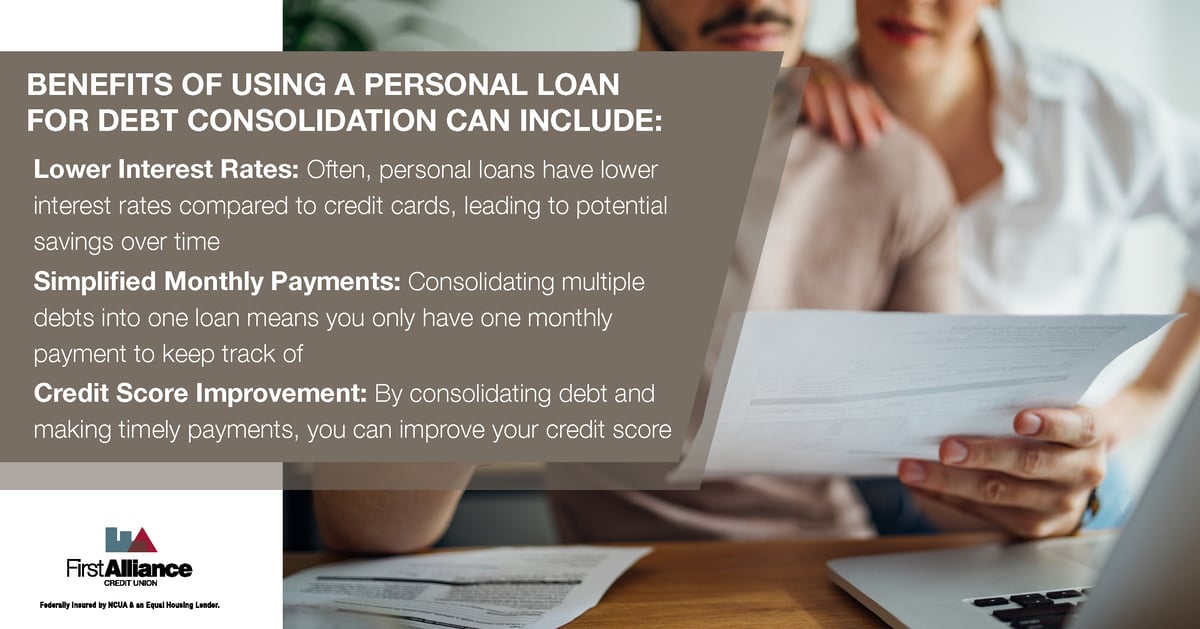
How Nonprofit Credit Counseling Helps Now